
 By loan trendinggamesnow.com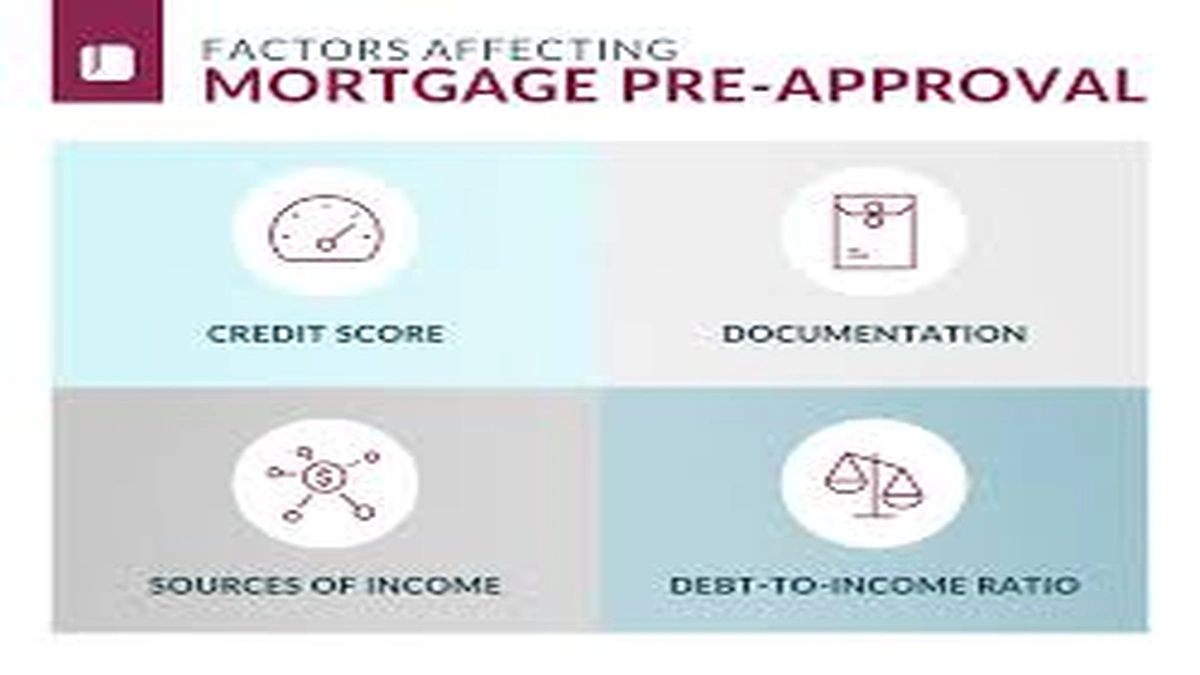
Picture this: You’ve found it. The perfect home. The one with the sunny balcony, the ideal neighbourhood, maybe even that extra room you always dreamed of. Your heart races, the vision is clear. Then comes the inevitable, slightly terrifying thought: the home loan application. It’s enough to make anyone’s palms sweat, isn’t it? In India, navigating the world of mortgages can feel like solving a complex puzzle, especially with all the jargon and varying rules.
Here’s the thing, though: getting your mortgage approval chances significantly boosted isn’t about magic. It’s about strategy, preparation, and understanding what lenders really look for. Trust me, as someone who’s seen countless applications go through (and, yes, sometimes stumble), a little foresight goes a long, long way. This isn’t just about ticking boxes; it’s about presenting your financial story in the most compelling way possible. So, grab a cup of chai, let’s sit down, and I’ll walk you through exactly how to ace your home loan application and turn that dream home into a reality.
Decoding the Lender’s Mind | What Banks Really Look For
When you walk into a bank asking for a home loan, they’re assessing risk. Plain and simple. Their primary goal is to ensure you can comfortably repay the loan. So, what are the big factors that dominate their decision-making?
- Your CIBIL Score/Credit History: This is arguably the most critical component. Your CIBIL score is a three-digit number summarizing your creditworthiness. A high score (typically above 750) signals responsibility, while a lower score rings alarm bells. Lenders want a consistent history of timely repayments on previous loans and credit cards because it’s the clearest indicator of how you’ll handle future debt.
- Debt-to-Income (DTI) Ratio: This measures how much of your gross monthly income goes towards paying debts. If too much of your income is already committed to EMIs, a bank will be hesitant to add a hefty home loan EMI. They need to ensure you have enough disposable income left to live comfortably after all debt obligations. For more detailed insights into this, you can refer to resources on debt-to-income ratio.
- Income Stability and Capacity: Lenders scrutinize your income source, stability, and growth potential. Are you salaried with a reputable company? Self-employed with a consistent business track record? They’ll look at salary slips, bank statements, and IT returns. A steady, verifiable income stream is key to demonstrating your repayment capacity.
- Down Payment: A larger down payment reduces the loan amount and, by extension, the lender’s risk. It also shows your financial discipline and commitment. In India, banks typically fund 75-90% of the property value, meaning you need 10-25% as a down payment. The higher you go, the better your chances.
Understanding these pillars is the first step in mastering the process. It’s like knowing the rules of the game before you even step onto the field.
The Credit Score Conundrum | Building Your Financial Muscle
Let’s talk brass tacks about your CIBIL score. Many aspiring homeowners overlook this until it’s too late. But improving your credit score for home loan eligibility isn’t rocket science; it’s consistent good habits.
How to Boost Your CIBIL Score |
- Pay EMIs and Credit Card Bills On Time, Every Time: This is the golden rule. Even a single missed payment can ding your score. Set up auto-debits or reminders. Consistency is king.
- Keep Your Credit Utilisation Low: Don’t max out your credit cards. Ideally, keep your credit utilization ratio below 30%. High utilization can signal over-reliance on credit.
- Avoid Multiple Loan Applications Simultaneously: Each time you apply, a “hard inquiry” is made. Too many in a short period can make you appear credit-hungry. Be strategic.
- Review Your Credit Report Regularly: Mistakes happen. Check your CIBIL report annually for any errors or fraudulent activity. You can get a free report once a year from CIBIL’s official website. Correcting inaccuracies can give your score an immediate lift. This proactive credit score improvement is vital.
- Maintain a Mix of Credit: A healthy mix of secured and unsecured loans is generally viewed positively. It shows you can manage different types of credit responsibly.
Think of your CIBIL score as your financial reputation. A stellar reputation opens doors, while a shaky one makes lenders pause. It’s an ongoing process, so start working on it well before you plan to apply.
Managing Your Money Wisely | Debt-to-Income & Down Payment Strategies
Beyond your credit score, how you manage existing debt and how much you can put down upfront are huge indicators of your financial health . Optimizing your debt-to-income ratio and having robust down payment strategies can significantly tip the scales in your favour.
Mastering Your DTI |
Lenders prefer a DTI ratio below 40-50%. If you’re pushing those limits, consider these steps:
- Prepay Smaller Debts: Clear off any personal loans or credit card dues with high interest rates. This reduces your overall debt burden, freeing up more of your income for the home loan EMI.
- Consolidate Debts: Explore options to consolidate multiple high-interest debts into a single, lower-interest loan.
- Avoid New Debts: Resist the urge to take on new EMIs before or during the home loan process. Any new commitment directly impacts your DTI.
Boosting Your Down Payment |
A higher down payment isn’t just about saving money; it’s about signaling financial strength and reducing the loan amount, which lowers your EMI and overall interest paid.
- Start Early: The earlier you begin saving, the easier it is. Set up a dedicated savings account.
- Automate Savings: Set up a standing instruction to transfer a fixed amount to your down payment fund each month.
- Cut Unnecessary Expenses: Review your budget rigorously. Every rupee saved is a rupee closer to your dream home.
- Consider Investments: For longer horizons, explore low-risk investments. Consult a financial advisor.
Remember, the goal is to present a picture of financial prudence. The more you can manage upfront, the more confident a lender will be in your ability to handle the full mortgage loan commitment. Understanding this discipline is key for any substantial financial undertaking.
The Paper Trail | What Documents Do You REALLY Need?
This is where many applications hit a snag: incomplete or incorrect documentation. Lenders are sticklers for paperwork. Having your document checklist for home loan ready and organized will save you immense stress and speed up the loan sanction process .
Essential Document Checklist |
- Identity Proof: PAN Card, Aadhaar Card, Passport, Voter ID.
- Address Proof: Aadhaar Card, Passport, Utility Bills.
- Income Proof (Salaried): Latest 3 months’ salary slips, Latest 2 years’ Form 16 and ITR, Bank statements for 6 months.
- Income Proof (Self-Employed/Business Owners): Business profile, Latest 3 years’ ITR, P&L statements and Balance Sheets, Bank statements (personal and business) for 12 months.
- Property Documents (if identified): Sale agreement, Allotment letter, Title deeds, NOC from builder/society, Approved construction plan.
- Other Documents: Application form, passport-sized photographs, Cheque for processing fees, Statement of existing loans.
My advice? Create a physical and digital folder. Scan everything. Double-check expiration dates. The smoother this part goes, the faster you move towards approval. Being meticulous here is one of the best mortgage application tips I can give you.
Pre-Approval | Your Secret Weapon in the Property Market
Many people jump straight into house hunting, fall in love, and then think about financing. Big mistake! Getting a home loan pre-approval changes the game entirely. It’s a formal indication from a lender that you meet their eligibility for home loan criteria and they’re willing to lend you a certain amount, subject to property verification.
Why is Pre-Approval So Powerful?
- Know Your Budget: Gives you a clear upper limit, saving time by only looking at properties within your budget.
- Credibility with Sellers: An offer with a pre-approval letter makes you a serious buyer. Sellers and agents prefer pre-approved buyers, giving you negotiation leverage.
- Faster Closing: Since much of your financial assessment is done during the pre-approval process, final loan approval tends to be much quicker.
- Identifies Potential Issues Early: Any red flags in your profile come to light, giving you time to address them before you’re under pressure.
Think of pre-approval as getting your financial passport stamped before you book your trip. It makes the entire journey smoother and more confident. It’s a proactive step that will significantly increase your chances of a smooth home buying process.
Navigating the Application | Tips from the Trenches
You’ve done the prep work. Now for the actual application. Here are some seasoned mortgage application tips to help you across the finish line.
Choosing the Right Lender |
Don’t just go with your existing bank. Shop around! Different banks and HFCs have varying interest rates, processing fees, and loan eligibility criteria India . Compare:
- Interest Rates: Even a small difference saves lakhs over tenure. Look at fixed and floating options.
- Processing Fees: These vary significantly.
- Foreclosure/Prepayment Charges: Understand the costs if you pay off early.
- Customer Service: Read reviews. A responsive lender makes a huge difference.
Utilize online aggregators and direct bank websites. Don’t be afraid to negotiate. Understanding the nuances of loan eligibility, even for something like a business loan eligibility , can broaden your perspective on how lenders assess risk across different financial products.
Be Transparent and Honest |
Never hide information. Lenders conduct thorough due diligence. Discrepancies lead to rejection and potential blacklisting. Declare any existing small loan or old CIBIL entry and explain the circumstances. Honesty builds trustworthiness.
Avoid Major Financial Changes |
Once you’ve applied, avoid significant financial moves until the loan is disbursed. This includes changing jobs, taking on new debt, closing old credit cards, or making large, unexplained deposits. Sudden changes can trigger a re-evaluation and delay or derail your approval.
Understand Your EMI |
While the bank calculates your home loan EMI , ensure it fits comfortably within your monthly budget. Use online calculators to play with different loan amounts, tenures, and interest rates. A comfortable EMI means less stress and a smoother repayment journey.
Securing a home loan is a significant financial milestone. It demands patience, meticulous planning, and a deep understanding of the process. With the right approach, you can navigate it successfully and unlock the door to your property ownership dream .
Frequently Asked Questions About Increasing Mortgage Approval Chances
What is the ideal CIBIL score for a home loan in India?
Most Indian lenders prefer a CIBIL score of 750 and above. This range indicates a strong credit repayment history and significantly improves your chances of getting favourable interest rates and quicker approval.
How long does the mortgage approval process usually take?
The time taken for home loan approval India can vary greatly. With all documents in order, it can take 15 days to a month. However, delays due to incomplete paperwork or property issues can extend this. Getting a pre-approval can significantly reduce this timeline.
Can I get a home loan with no down payment?
Zero down payment home loans are extremely rare in India. Banks typically fund 75-90% of the property value, requiring you to arrange 10-25% as your own contribution. A higher down payment is always advisable as it reduces your loan burden and increases lender confidence.
What if I have multiple existing loans?
Multiple existing loans can impact your debt-to-income ratio. If current EMIs consume a significant portion of your income, it might reduce your eligibility. Lenders usually prefer total EMIs (including the proposed home loan) to be below 40-50% of your gross monthly income. Consider prepaying smaller, high-interest loans before applying.
Is it possible to apply for a mortgage jointly?
Yes, absolutely! Applying for a home loan jointly, often with a spouse, parent, or sibling, is common. It can enhance your combined income eligibility, allowing you to qualify for a larger loan amount. Both applicants’ credit scores and financial health will be considered.
Ultimately, securing your home loan isn’t just about wishing for it; it’s about meticulous planning, understanding the system, and presenting your best financial self. By focusing on your credit health, managing your debts, preparing your documents, and leveraging tools like pre-approvals, you’re not just applying for a loan you’re strategically building your path to property ownership dream .
 hungergamer