
 By loan trendinggamesnow.com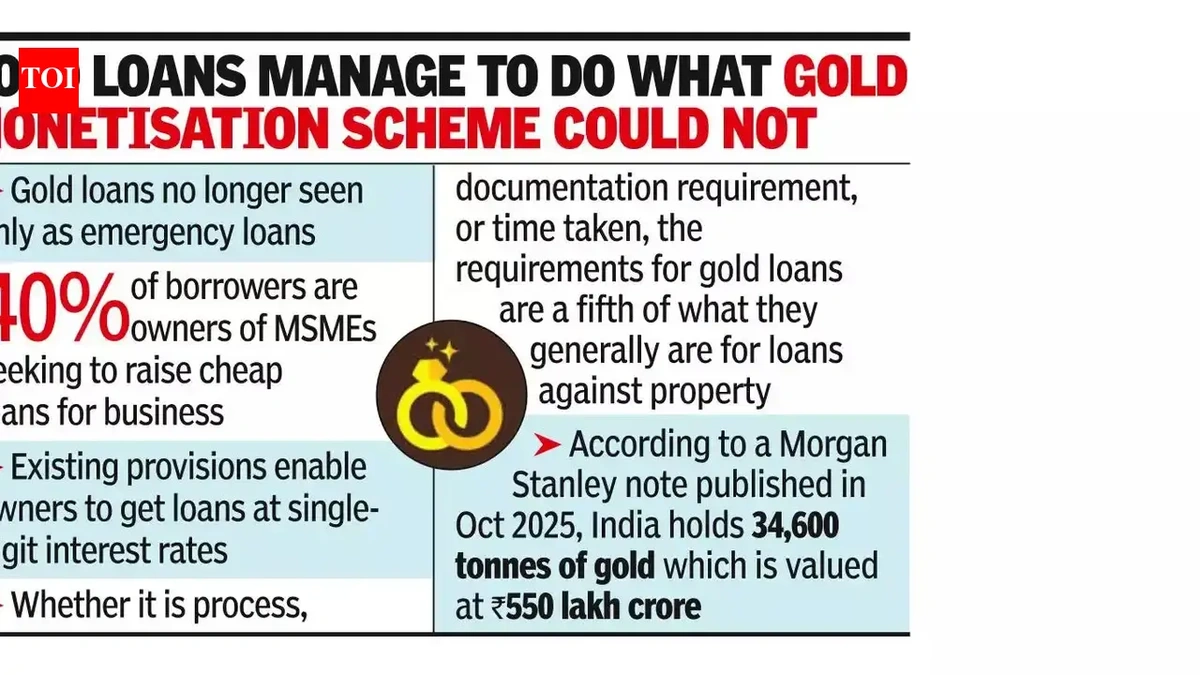
Ah, gold! In India, it’s not just a metal; it’s an emotion, a heritage, a symbol of prosperity, and often, a silent guardian for tough times. We’ve all seen it – those intricate necklaces, the heavy bangles, the heirloom coins passed down generations. But here’s the thing: beyond its cultural significance, gold holds immense practical value, especially when life throws a financial curveball. This is where the gold loan steps in.
Why are so many Indians, from bustling city entrepreneurs to rural farmers, turning to their precious gold when cash is tight? And more importantly, should they ? It’s a question that often lingers, shrouded in a mix of hope and apprehension. As someone who’s seen the financial landscape up close, what truly fascinates me about gold loans is their dual nature: a quick fix that offers incredible benefits , yet carries inherent risks that, if ignored, can turn that golden opportunity into a very real headache.
Today, we’re not just going to list pros and cons. We’re going to dive deep into the ‘why’ behind this popular financial tool in India. We’ll unpack the hidden context, the market dynamics, and the psychological weight that comes with pledging your most cherished asset. Consider me your knowledgeable friend, sipping chai with you, unraveling the complexities so you can make truly informed decisions.
The Allure of the Yellow Metal | Why Gold Loans Shine Bright
Let’s be honest, when you need funds fast, few options rival the speed and simplicity of a gold loan. Unlike traditional bank loans that often involve mountains of paperwork and weeks of waiting, a gold loan can be disbursed in a matter of hours, sometimes even minutes. This immediate liquidity is a massive draw, especially in emergencies or for urgent business needs.
One of the biggest advantages, and perhaps the primary ‘why’ for many, is the accessibility. Your CIBIL score? Almost irrelevant. While other loans scrutinize your credit history with a fine-tooth comb, a gold loan focuses on the value of your collateral – your gold. This makes it a lifeline for those with a poor credit score or no credit history at all. The gold loan eligibility criteria are typically straightforward: you must be an Indian citizen, over 18, and own gold. Simple as that.
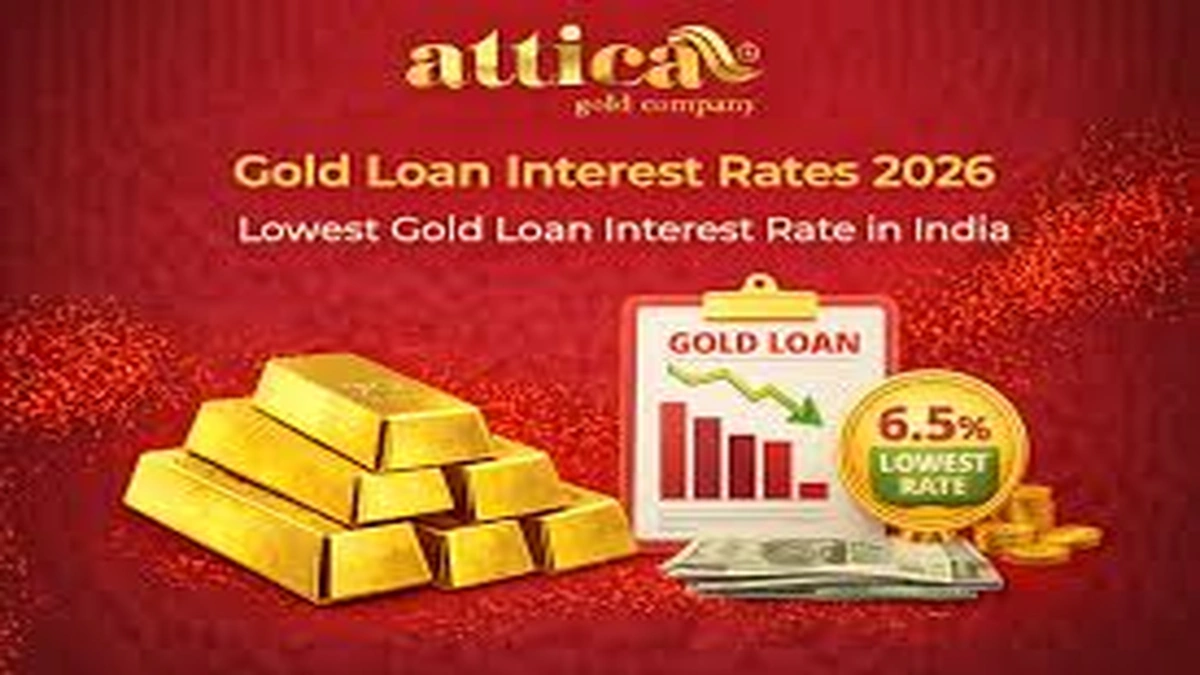
Then there are the gold loan interest rates . Generally speaking, they tend to be lower than unsecured personal loans. Why? Because the lender has tangible security in the form of your gold. This reduces their risk, and that saving is often passed on to you. Major gold loan companies in India , like Muthoot Finance and Manappuram Finance, alongside many public and private sector banks, offer competitive rates and flexible gold loan repayment options . They want your business, and they make it convenient.
The documents for gold loan are usually minimal: identity proof, address proof, and a couple of passport-sized photos. No extensive income proofs or guarantor requirements, which, again, speaks to the ease and speed of the process. It’s a testament to how this financial product is designed to serve a broad spectrum of the Indian populace, from urban professionals to rural households needing quick capital for agriculture or small businesses.
The Shadow Side | Unpacking the Risks You Can’t Ignore
Now, for the ‘but.’ Every golden opportunity has its potential pitfalls, and gold loans are no exception. The biggest, most emotionally charged risk is, of course, the possibility of losing your gold. If you fail to repay the loan within the stipulated time, including interest, the lender has the right to auction your pledged gold. Let’s be honest, the thought of losing your ancestral jewellery is terrifying, isn’t it?
This is where understanding the gold loan default consequences becomes absolutely critical. It’s not just about losing an asset; it’s about losing a piece of your family’s history, a source of sentimental value. While lenders typically send multiple reminders and offer grace periods, ignoring these can lead to irreversible loss. I’ve seen firsthand how a lack of a clear repayment strategy can lead to distress.
Another subtle risk lies in the fluctuating price of gold itself. While your loan amount is determined by the gold’s value at the time of pledging (Loan-to-Value or LTV, usually 75% of the market value as per Reserve Bank of India guidelines), a significant drop in gold prices could lead to the lender asking for additional collateral or partial repayment to maintain the LTV ratio. While less common, it’s a possibility you should be aware of. For deeper insights into gold’s market dynamics, you can check resources like theWorld Gold Council.
Comparing a gold loan vs personal loan , the personal loan doesn’t carry the risk of losing a tangible asset. While its interest rates might be higher, and eligibility tougher, the collateral risk is non-existent. It’s a trade-off: convenience and lower rates for collateral risk. The ‘why’ here is about assessing your personal risk tolerance and repayment certainty.
Navigating the Golden Maze | Smart Strategies for Borrowers
So, how do you ensure your gold loan remains a golden ticket and not a gilded trap? It all boils down to smart planning and due diligence. First, always compare offers from different lenders. Don’t just walk into the first branch you see. Look at the gold loan interest rates , processing fees, pre-closure charges (if any), and most importantly, the various gold loan repayment options available. Some offer EMI options, while others have bullet repayment schemes where you pay the principal at the end of the tenure and interest periodically.
Second, borrow only what you absolutely need and have a crystal-clear repayment plan. This isn’t a ‘nice-to-have’; it’s a ‘must-have.’ Understand your cash flow and ensure you can comfortably meet the interest payments and eventually the principal. A common mistake I see people make is overestimating their future income or underestimating their expenses, leading to a scramble when repayment is due.
Third, read the fine print. I know, it’s tedious, but understanding the terms and conditions, especially regarding default procedures and auction clauses, is paramount. Ask questions until you’re completely clear. Remember, it’s your gold, your financial future. This level of scrutiny applies whether you’re looking into a gold loan or even something likemortgage refinance rates uk today– the devil is always in the details.
Finally, consider the tenure. Gold loans are typically short to medium-term, ranging from a few months to a couple of years. Align this with your actual need for funds. Don’t take a short-term loan for a long-term problem, as that often leads to refinancing or default.
Beyond the Loan | When is a Gold Loan Truly Your Best Bet?
The ‘why’ behind choosing a gold loan often comes down to specific scenarios where its unique advantages outweigh the risks . It’s an excellent option for short-term liquidity needs – think a sudden medical emergency, bridging a business cash flow gap, or funding an urgent educational expense. In these situations, the quick access to funds can be a game-changer.
However, it’s generally not advisable for long-term debt consolidation or funding speculative investments. For those looking at more structured, long-term financing, exploring options like secured personal loans or even educational loans might be more suitable. Similarly, if you’re an international student exploring financing in Europe, you’d be looking at entirely different products, perhaps even something likebest private student loans international students europe. Each financial need has its optimal solution.
The wisdom here is to view your gold not just as an ornament but as a strategic asset. When managed wisely, a gold loan can be a powerful financial tool, providing timely support without derailing your long-term goals. But like any powerful tool, it demands respect, understanding, and a clear head.
Frequently Asked Questions About Gold Loans
What is the maximum loan amount I can get on gold?
The maximum loan amount depends on the purity and weight of your gold, as well as the lender’s policies and the prevailing gold prices. Generally, lenders offer up to 75% of the gold’s market value, as mandated by the RBI.
Do I need a CIBIL score for a gold loan?
No, a CIBIL score is typically not a primary factor for obtaining a gold loan. Since the loan is secured by your gold, lenders focus more on the value of the collateral rather than your credit history. This is one of the main benefits for those with low or no credit score.
What happens if I can’t repay my gold loan?
If you fail to repay your gold loan, including interest, the lender will typically send reminders and may levy penalties. If repayment is still not made within the extended period, the lender has the right to auction your pledged gold to recover the outstanding amount. This is a significant risk to be aware of.
Are gold loans safe?
Yes, gold loans from reputable banks and Non-Banking Financial Companies (NBFCs) are generally safe. Your gold is kept in secure vaults. However, the safety primarily lies in your ability to repay the loan to avoid losing your collateral. Always choose a regulated and well-known institution.
Can I pre-close my gold loan?
Most lenders allow pre-closure of gold loans. Some might charge a pre-closure fee, while others offer this facility for free. It’s essential to check this clause in your loan agreement before signing, as it impacts your overall repayment options .
In the end, a gold loan is a potent financial instrument, deeply embedded in the Indian context. It offers unparalleled speed and accessibility, making it a go-to for many. But like a beautifully crafted piece of jewellery, it requires care and understanding. Approach it with knowledge, a clear repayment plan, and respect for its inherent benefits and risks , and you’ll find it to be a valuable ally in your financial journey.
 hungergamer